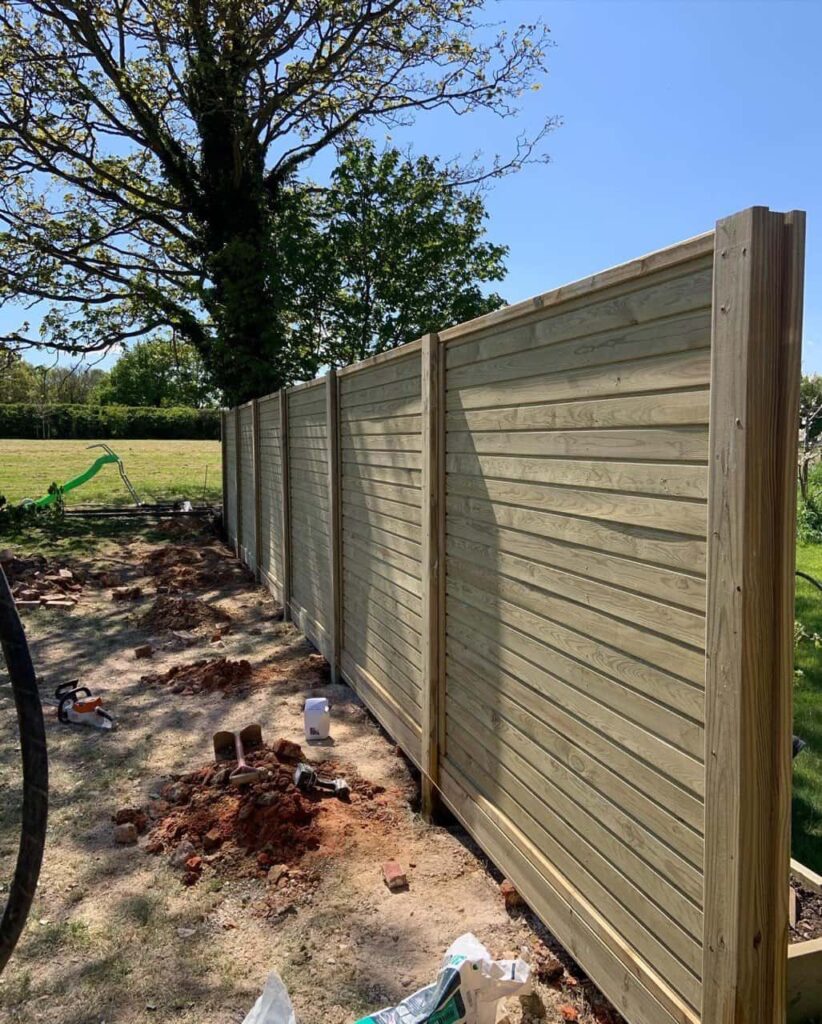
How Terrain and Ground Conditions Affect Stock Fence Installation in Sevenoaks, Kent
Stock fencing is commonly used to secure agricultural land, paddocks, livestock enclosures and larger outdoor spaces. Although the fencing materials and design are important, the condition of the ground plays an equally significant role in determining how well the finished fence performs.
Uneven terrain, soft soil, rocky ground and changes in ground level can all influence how stock fencing should be installed. If these factors are not properly considered, posts may become unstable, wire tension can become inconsistent and gaps may develop beneath the fence.
For landowners in Sevenoaks, Kent, understanding the relationship between ground conditions and fence installation helps ensure that stock fencing provides a secure and dependable boundary.
Why Ground Conditions Matter When Installing Stock Fencing
Stock fencing needs to remain securely supported along its entire length. Fence posts provide the main structural support, while tensioned wire mesh creates the barrier needed to contain livestock or define land boundaries.
The ground determines how effectively posts can be installed and how well they remain in position over time. Soil that is too loose, shallow or waterlogged may provide insufficient support, while hard or rocky ground can make achieving consistent post depths more challenging.
Before installation begins, the route should be assessed to identify changes in soil type, ground levels and any obstacles that could affect the construction process.
How Different Types of Terrain Affect Installation
Sloping and Uneven Ground
Sloping land requires careful planning to maintain a consistent and effective fencing line. If the mesh follows the natural contours incorrectly, gaps may develop beneath the fence, potentially allowing smaller livestock to pass through.
On uneven ground, posts may also need to be positioned at suitable intervals and adjusted to accommodate changes in elevation. The wire should remain properly tensioned without placing excessive strain on individual posts.
Following the natural shape of the land, rather than forcing the fence into an unsuitable straight line, can help produce a more secure and practical installation.
Soft or Loose Soil
Soft soil and loose ground can make it difficult for fence posts to remain stable. If posts are not installed with sufficient support, they may gradually lean or move under the tension of the wire and pressure from livestock.
The installation method should account for the depth and consistency of the soil. Suitable post selection, positioning and ground preparation all contribute to maintaining stability.
Areas where the soil is particularly loose may require additional consideration to ensure the fence remains secure.
Waterlogged and Poorly Drained Ground
Wet ground can create difficulties during stock fence installation, particularly where the soil becomes saturated and loses its ability to support posts effectively.
Waterlogged conditions may also contribute to ground movement and deterioration around timber posts. In areas where water regularly collects, drainage conditions should be considered before installation.
Identifying low-lying sections and areas prone to standing water helps determine whether additional preparation or adjustments to the fence layout are needed.
Rocky or Shallow Ground
Rocky terrain presents different challenges because it can restrict how deeply posts can be installed. Large stones or shallow bedrock may prevent posts from reaching their intended depth, affecting the stability of the fence.
In these situations, installation methods may need to be adapted to suit the available ground conditions. Attempting to force posts into unsuitable ground can lead to inconsistent positioning and weaker support.
A proper assessment helps establish the most practical way to secure the fencing across rocky sections.
The Importance of Correct Post Spacing and Positioning
Post spacing is an important consideration when installing stock fencing, particularly where the terrain changes along the boundary.
On relatively level and firm ground, posts can usually follow a consistent layout. However, steeper slopes, soft soil and changes in ground conditions may require closer attention to positioning and support.
Strainer posts are particularly important at corners, ends and changes in direction because they help maintain wire tension. If these sections are not properly supported, the strain can cause posts to lean and the fencing to become loose.
Careful positioning helps distribute tension effectively and maintain the overall strength of the fence.
Maintaining Consistent Wire Tension Across Uneven Ground
Stock fencing relies on suitable wire tension to remain effective. However, uneven terrain can make it more difficult to achieve a consistent finish.
If the mesh is stretched too tightly across changes in ground level, excessive pressure may be placed on posts and fixing points. If it is too loose, the fence may sag or leave openings that compromise livestock containment.
Following ground contours carefully and securing the mesh correctly helps maintain an effective barrier. Particular attention should be given to dips, rises and transitions between different sections of terrain.
Why a Site Assessment Is Essential
Every property presents different installation conditions. Two areas with similar layouts may have very different soil depths, drainage characteristics and ground stability.
A site assessment allows a fencing specialist to identify potential difficulties before work begins. This includes checking the proposed fence line, identifying obstacles, assessing changes in elevation and determining the most suitable post arrangement.
For landowners in Sevenoaks, Kent, this preparation helps ensure that the finished stock fence is suited to the specific characteristics of the land rather than relying on a standard installation approach.
Professional Stock Fencing Installation in Sevenoaks
Installing stock fencing successfully requires more than attaching wire mesh to a series of posts. Ground preparation, post stability, wire tension and the natural shape of the land must all work together.
Sevenoaks Fencing Services provides fencing solutions for landowners looking to establish or improve secure boundaries. By considering the terrain and ground conditions before installation, the fencing can be planned to suit the practical requirements of the property.
Whether your land has steep slopes, uneven surfaces, soft soil or challenging ground conditions, professional installation helps create a boundary designed for reliable use.
Conclusion
Terrain and ground conditions have a direct influence on the strength, stability and effectiveness of stock fencing. Sloping land, loose soil, waterlogged areas and rocky ground all require careful consideration to ensure posts remain secure and wire tension is maintained.
For landowners in Sevenoaks, Kent, assessing these factors before installation can help prevent common problems and improve the performance of the finished fence. If you are planning new stock fencing or need to replace an existing boundary, contact Sevenoaks Fencing Services to discuss your requirements and arrange a professional assessment.
Call us on: 01732 904 194
Click here to find out more about Sevenoaks Fencing Services
Click here to complete our contact form and see how we can help with your fencing needs.